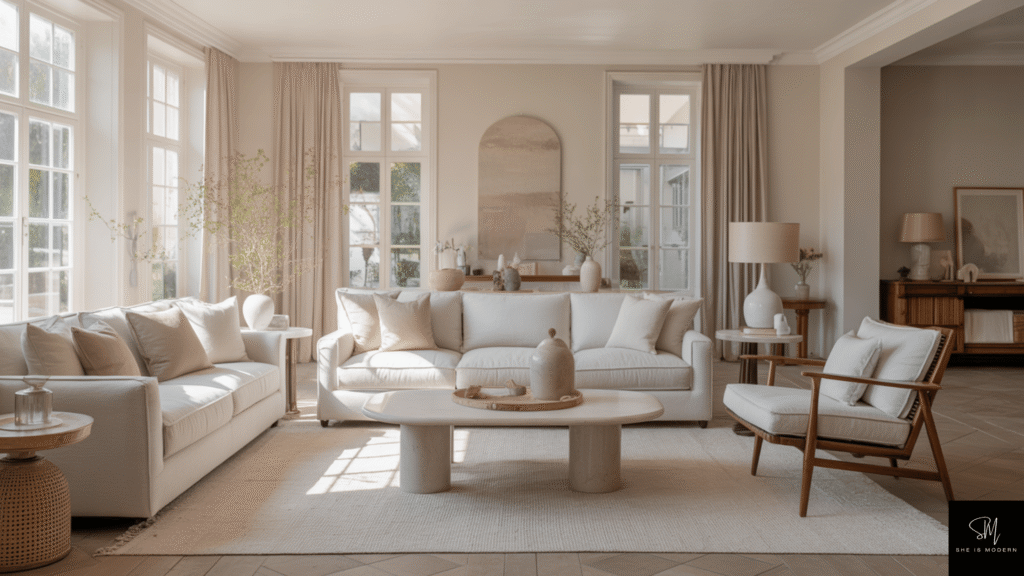
Your home should feel calm, stylish, and easy to live in. Transitional design makes this possible by blending modern simplicity with classic comfort. It’s not about big changes. It’s about small, smart choices that create balance. Clean lines, soft colors, and cozy textures all work together to build a space that feels fresh but still warm.
If you want a home that never goes out of style, this approach works well. You don’t need expensive items or a full makeover. Just mix the right elements in the right way. These ideas are simple, practical, and easy to follow for any room.
In this guide, you’ll find 13 transitional design ideas that actually work. Each one helps you create a space that looks beautiful and feels comfortable every day.
1. Mix Modern and Classic Furniture
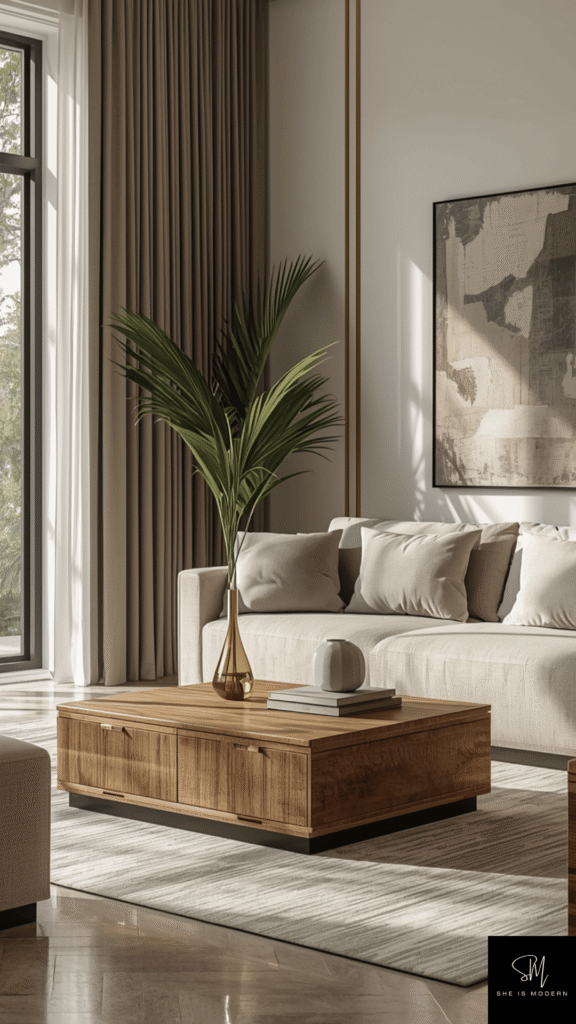
Transitional design is all about balance. One of the easiest ways to start is by mixing modern and classic furniture. You don’t need to replace everything. Instead, combine a clean lined sofa with a traditional wooden table. This creates contrast without feeling messy. Keep shapes simple so the space feels calm. Avoid too many bold or heavy pieces. The goal is harmony, not clutter. This style works well in both small and large spaces. It helps your home feel fresh while still keeping a timeless look that never feels outdated or too trendy.
Focus on choosing pieces that complement each other. For example, pair a sleek chair with a vintage cabinet. Use neutral colors to tie everything together. This keeps the space from feeling too busy. Balance is key, so try not to lean too modern or too traditional. Add one or two statement pieces only. This creates interest without overwhelming the room. Think of your space as a mix of old charm and new comfort. That balance makes transitional design feel easy and welcoming.
Textures also play a big role here. Combine smooth surfaces like glass or metal with warm wood or soft fabrics. This adds depth and comfort. A modern lamp next to a classic side table works well. Small details make a big difference. Keep the layout open and uncluttered. This helps every piece stand out. The result is a space that feels stylish, cozy, and balanced. It’s a simple way to create a home that feels both current and timeless at the same time.
2. Stick to a Neutral Color Palette
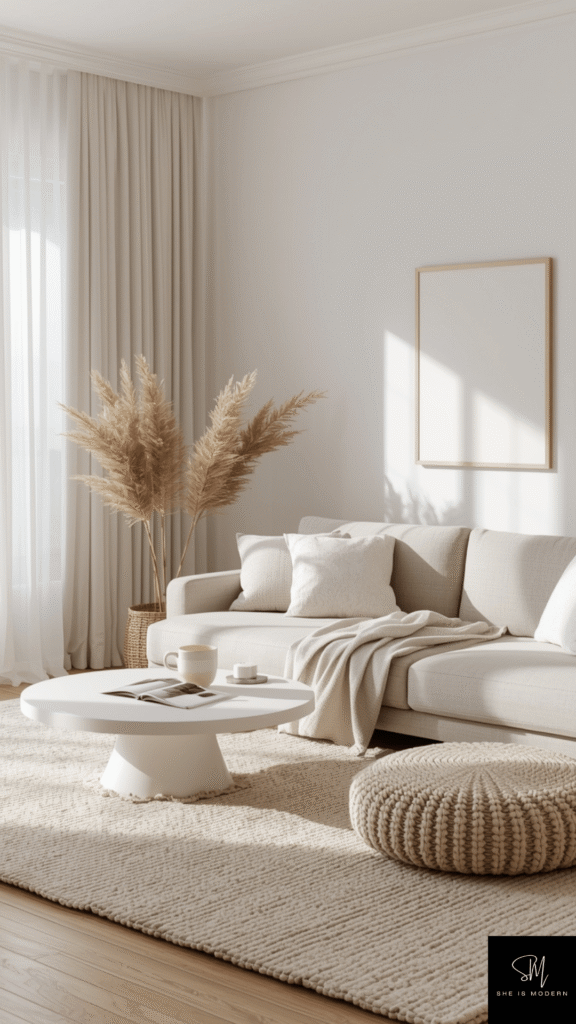
A neutral color palette is the base of transitional design. Shades like white, beige, gray, and soft brown create a calm and clean look. These colors make your space feel open and relaxing. They also help different styles blend easily. You don’t need bright colors to make a room interesting. Instead, use soft tones that work well together. This creates a peaceful environment. Neutral colors also make it easier to change decor later without starting from scratch.
Layering different neutral shades adds depth. For example, combine light beige walls with darker gray furniture. Add soft white cushions or a cream rug. This keeps the room from looking flat. Texture becomes important when using simple colors. Use materials like linen, wool, or wood to add warmth. This makes the space feel cozy and inviting. Even small changes in tone can create a big visual impact. It keeps the design simple but not boring.
You can still add small accents if needed. Use muted colors like soft blue or dusty green in pillows or decor. Keep it minimal so the space stays balanced. Avoid too many bold patterns. Clean and simple is the goal. This approach makes your home feel fresh and timeless. Neutral palettes also reflect light well, making rooms feel bigger and brighter. It’s an easy way to create a stylish and comfortable space.
3. Combine Different Textures
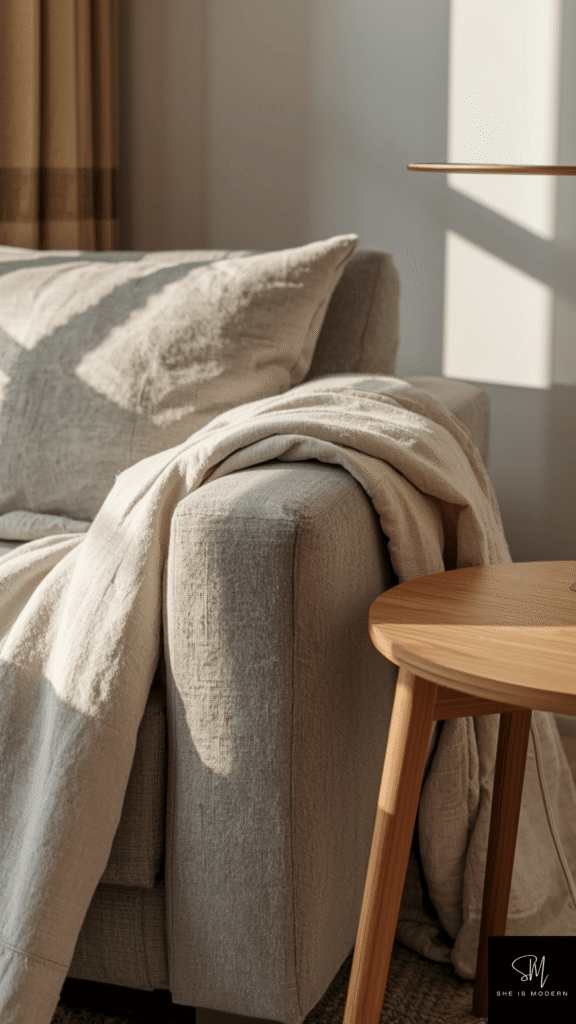
Texture is what brings life to a neutral space. In transitional design, mixing textures is very important. It helps your room feel warm and interesting without using too many colors. Combine soft fabrics like cotton or velvet with hard surfaces like wood or metal. This contrast makes the space feel balanced. Even simple rooms can look rich when textures are layered well. It’s a great way to add depth without making the design feel heavy.
Start with large pieces like rugs, sofas, and curtains. Choose materials that feel comfortable and natural. Then add smaller details like cushions, throws, or decorative items. Mixing rough and smooth textures creates visual interest. For example, a soft sofa with a wooden coffee table works well. Keep the color palette simple so textures stand out more. This keeps the design clean and easy to follow.
Don’t overdo it. Too many textures can feel messy. Focus on a few key combinations that work well together. Think about how each piece feels and looks. The goal is to create a space that feels cozy but also refined. Good texture balance makes your home feel complete. It adds personality while keeping everything calm and organized.
4. Keep Decor Simple and Clean
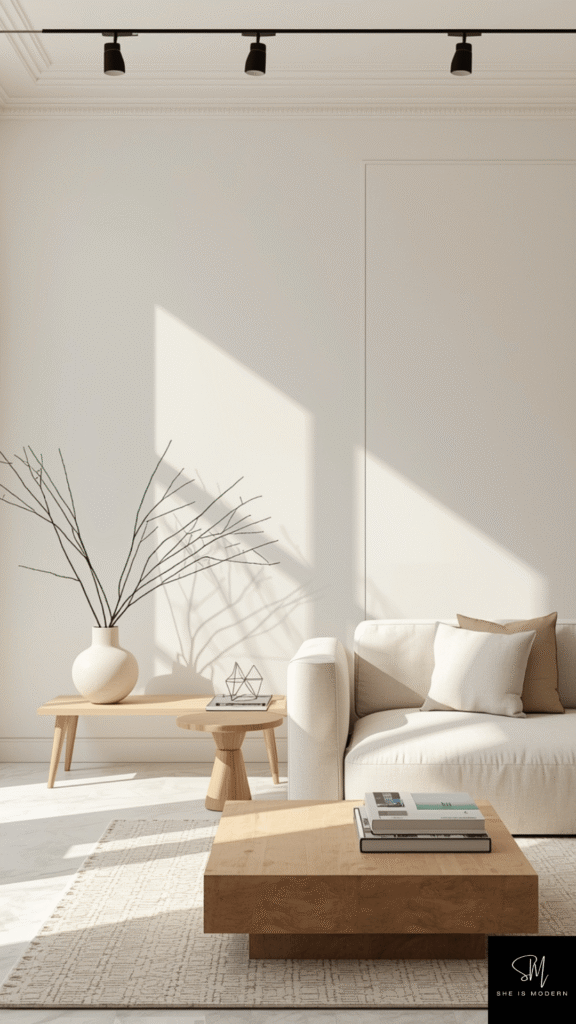
Transitional design follows a “less is more” approach. Keep decor simple and avoid overcrowding your space. Choose a few meaningful items instead of many small pieces. This helps your room feel open and organized. Clean surfaces create a calm environment. It also makes your furniture and design choices stand out more. A simple space feels more relaxing and easy to live in every day.
Focus on quality over quantity. Pick decor items that match your style and color scheme, and if you want impact without clutter, try adding a few bold decor pieces in a balanced way. Use items like vases, books, or art pieces that add value to the space. Keep shelves and tables neat. Avoid too many decorations in one area. This creates balance and allows each item to shine. A clean look makes the room feel more modern while still keeping a warm touch.
Storage is also important. Use hidden storage to keep clutter away. This helps maintain a clean and polished look. Organized spaces always feel more inviting. Keep lines simple and avoid overly detailed designs. This approach creates a timeless style that never feels overwhelming. It’s easy to maintain and always looks fresh.
5. Use Soft and Layered Lighting
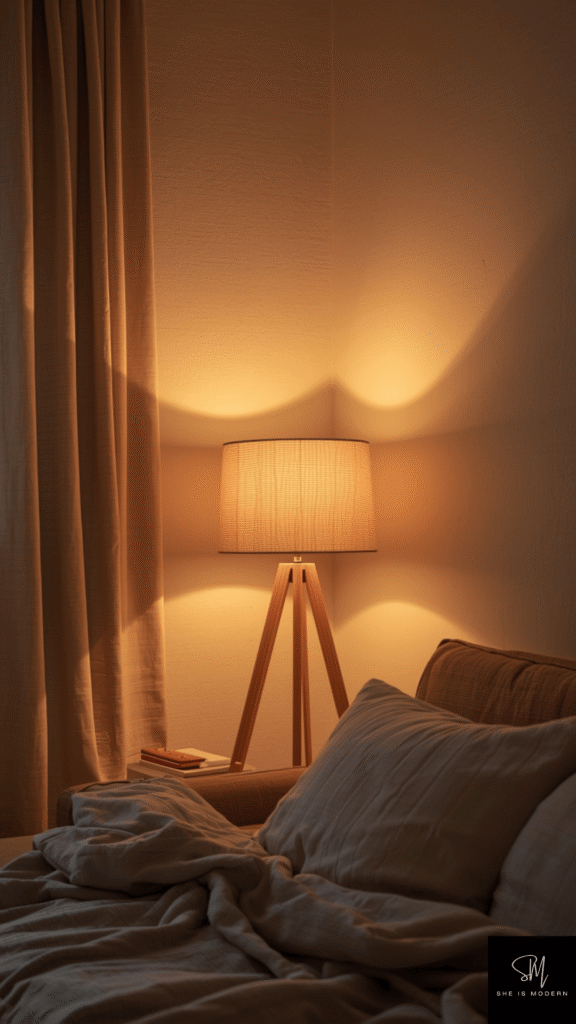
Lighting plays a big role in transitional design. Instead of using one strong light, use multiple soft light sources. Combine ceiling lights, table lamps, and floor lamps. This creates a warm and inviting atmosphere. Soft lighting makes the space feel comfortable and relaxing. It also highlights different areas of the room in a gentle way.
Layering light helps control the mood. Use brighter lights for tasks and softer lights for relaxing. Warm light tones work best for this style. Avoid very harsh or cool lighting. It can make the space feel cold. Use simple and elegant light fixtures that match your design. This keeps the look clean and balanced.
Place lights in different corners to avoid dark spots. This makes the room feel more open. Use lamps with fabric shades to soften the light. Small changes in lighting can make a big difference. It helps your home feel cozy and stylish at the same time. Good lighting brings everything together beautifully.
6. Blend Old and New Decor Pieces
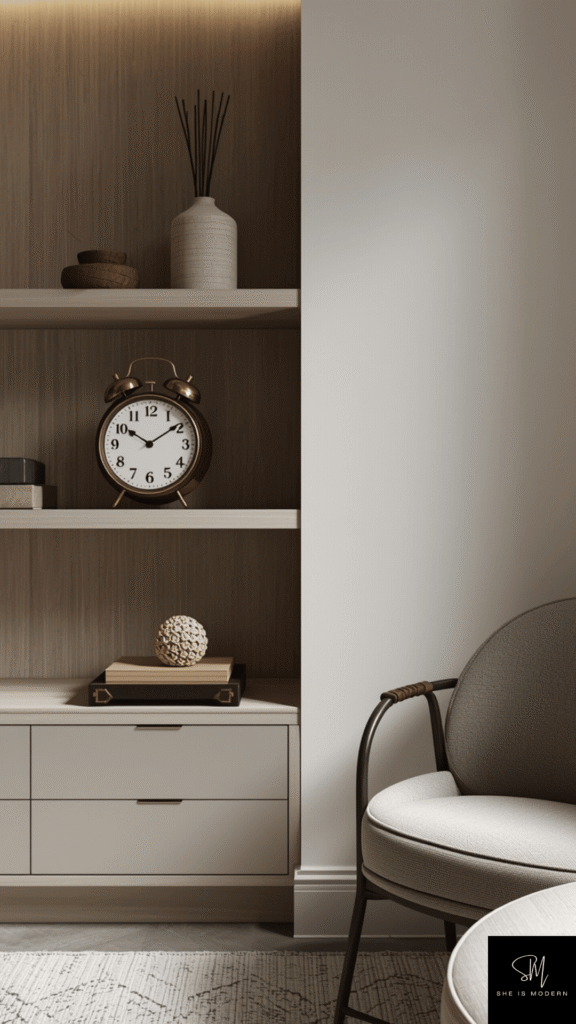
Transitional design works best when you mix old and new decor pieces in a balanced way. You don’t need everything to match. A modern vase can look beautiful next to a vintage clock. This mix adds character to your space. It also makes your home feel more personal and lived in. Try to keep the overall look calm by using similar colors or finishes. This helps everything feel connected instead of random or messy.
Start by choosing one or two older pieces that you love. These could be family items or thrift finds. Then add modern pieces around them. Keep shapes simple so the space feels clean. Avoid adding too many detailed or heavy items. This keeps the room from feeling crowded. The goal is to create a smooth blend where old and new styles support each other instead of competing.
Balance is very important here. If one piece feels bold or detailed, keep the rest simple. This allows each item to stand out in a good way. Small decor items like trays, books, or candles can help tie everything together. This mix creates a space that feels warm, stylish, and timeless without trying too hard. To find the exact style that matches your personality, our Complete Home Styling Guide covers 8 design styles with color palettes and room-by-room guidance.
7. Choose Comfortable and Stylish Fabrics
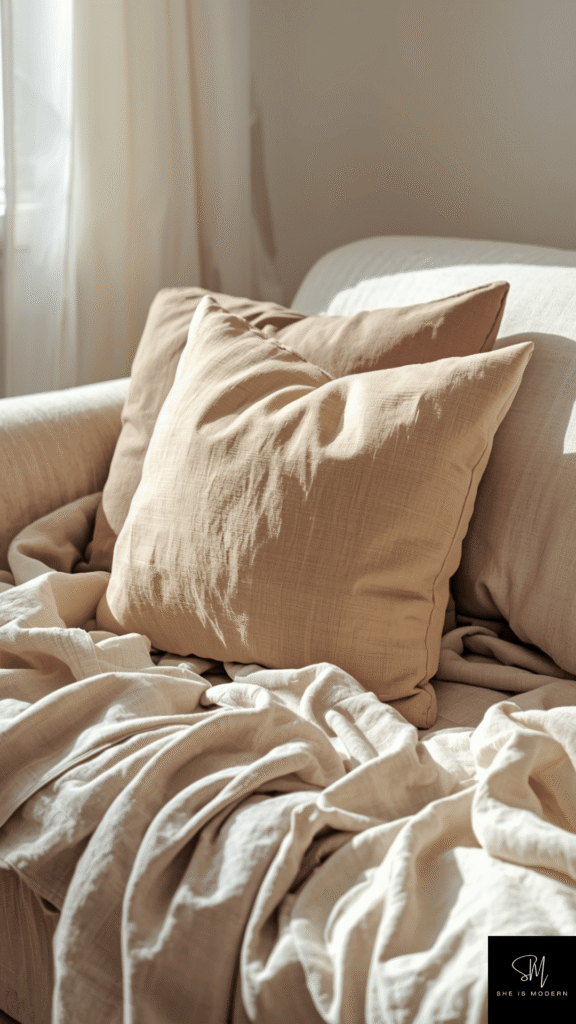
Comfort is a big part of transitional design. Choose fabrics that feel soft and inviting but still look clean and polished. Materials like linen, cotton, and light wool work very well. These fabrics are simple but elegant. They make your space feel cozy without looking heavy. Avoid overly shiny or stiff materials. Soft textures create a relaxed and welcoming environment.
Use these fabrics in sofas, cushions, curtains, and rugs. Layering fabrics adds depth and comfort. For example, a linen sofa with soft cotton cushions looks balanced and fresh. Keep colors neutral or soft to match the overall design. This helps maintain a calm and clean look. Patterns should be simple and not too bold. Subtle designs work best.
Think about both comfort and appearance when choosing fabrics. The space should feel good to sit and relax in. At the same time, it should look neat and stylish. This balance makes your home more enjoyable every day. Good fabric choices can completely change how a room feels without needing major updates.
8. Add Statement Pieces Carefully
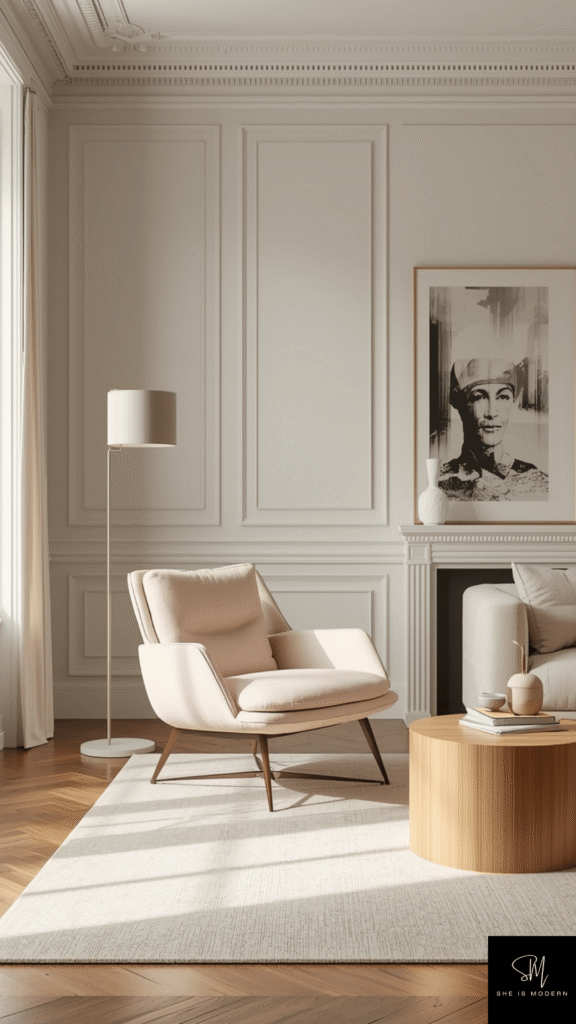
Statement pieces can make your space more interesting, but they should be used carefully. In transitional design, less is better. Choose one or two standout items like a bold chair, large artwork, or unique table. You can also explore these statement furniture pieces for more inspiration. These pieces draw attention and add personality. The rest of the room should stay simple to keep balance.
When selecting a statement piece, think about size and color. It should stand out but still match the overall theme. Avoid adding too many bold items in one space. This can make the room feel busy and confusing. Keep other furniture and decor neutral so the statement piece becomes the focus naturally.
Placement is also important. Put your statement piece where it can be easily seen. For example, a bold chair in a corner or artwork above a sofa works well. This creates a focal point in the room. A well chosen statement piece adds style without disturbing the calm and clean look of transitional design.
9. Keep Lines Clean and Simple
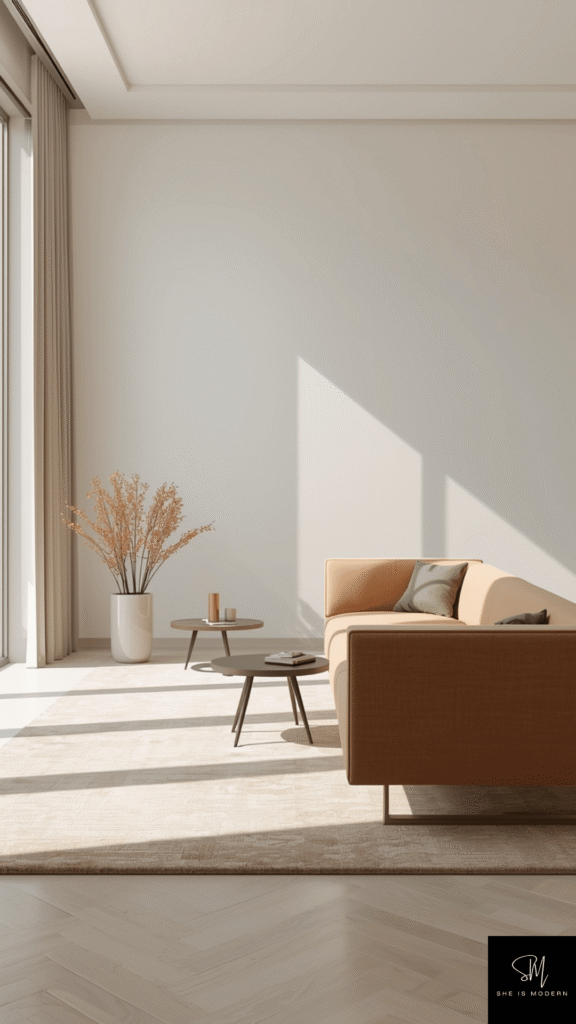
Clean lines are a key feature of transitional design. Furniture and decor should have simple shapes without too many details. This helps the space feel open and modern. Avoid overly curved or heavily carved pieces. Straight or gently curved lines work best. This creates a smooth and balanced look throughout the room.
Choose furniture with neat edges and simple forms. A plain sofa, a clean coffee table, or a simple shelf can make a big difference. These pieces are easy to match with other styles. They also make the room feel less crowded. Keep spacing between items so everything feels light and breathable.
Simple lines also make your space easier to maintain. It looks neat without much effort. This style works well for everyday living because it feels organized and calm. By keeping things simple, you create a space that looks modern but still feels warm and comfortable.
10. Use Natural Materials
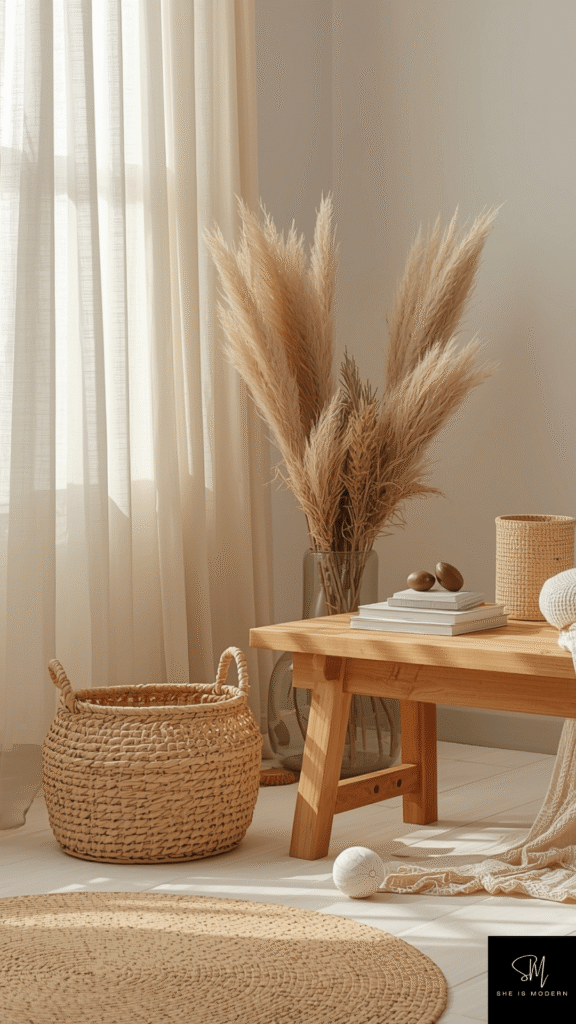
Natural materials help bring warmth into transitional design. Materials like wood, stone, linen, and cotton create a soft and welcoming feel. These elements balance modern and classic styles easily. A wooden table or a stone decor piece adds a natural touch without making the space feel heavy. This keeps the room calm and grounded.
Start by adding one or two natural elements to your space. A wooden coffee table, woven basket, or linen curtains work well. These pieces add texture and depth without needing bold colors. Keep finishes simple and not too glossy. This helps maintain a relaxed and clean look that fits perfectly with transitional style.
Natural materials also make your home feel more comfortable and real. They connect the indoor space with nature, which creates a peaceful environment. Even small details like a wooden tray or cotton throw can make a big difference. This approach keeps your design simple, warm, and timeless.
11. Balance Symmetry in Layout
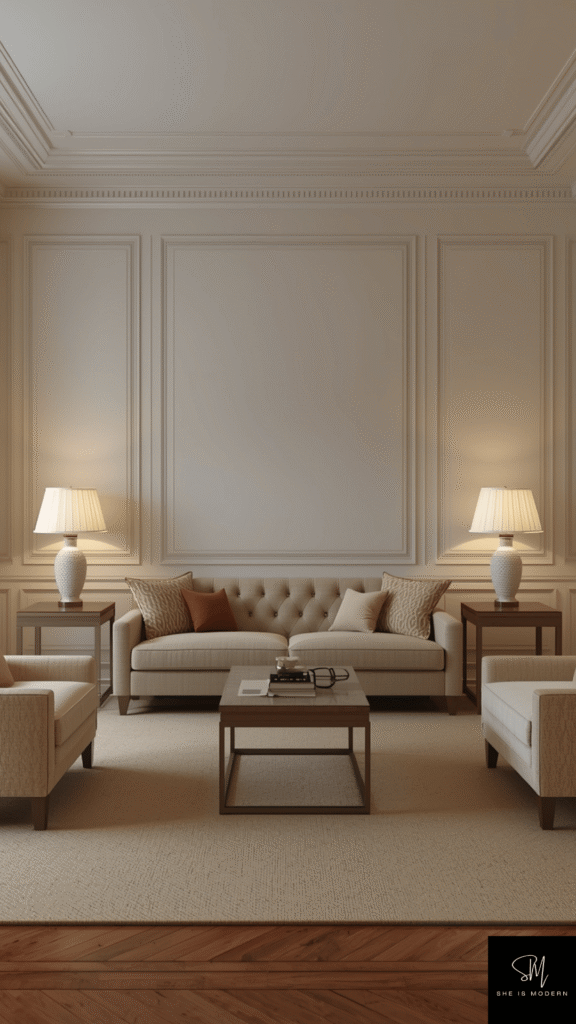
Symmetry helps create a sense of order and calm in transitional design. Arranging furniture in a balanced way makes the room feel organized and easy to understand. For example, placing two chairs on both sides of a sofa creates a clean and structured look. This simple arrangement makes the space feel more put together.
You don’t need perfect symmetry, but aim for visual balance. If one side has a large item, balance it with something similar on the other side. This could be another piece of furniture or decor. Keep spacing even so the room feels open. Symmetry works well in living rooms, bedrooms, and even dining areas.
This layout style also makes decorating easier. When things are balanced, the room naturally looks better. It creates a peaceful flow that feels comfortable to live in. Symmetry adds a touch of classic design while still keeping the space modern and fresh.
12. Add Subtle Patterns
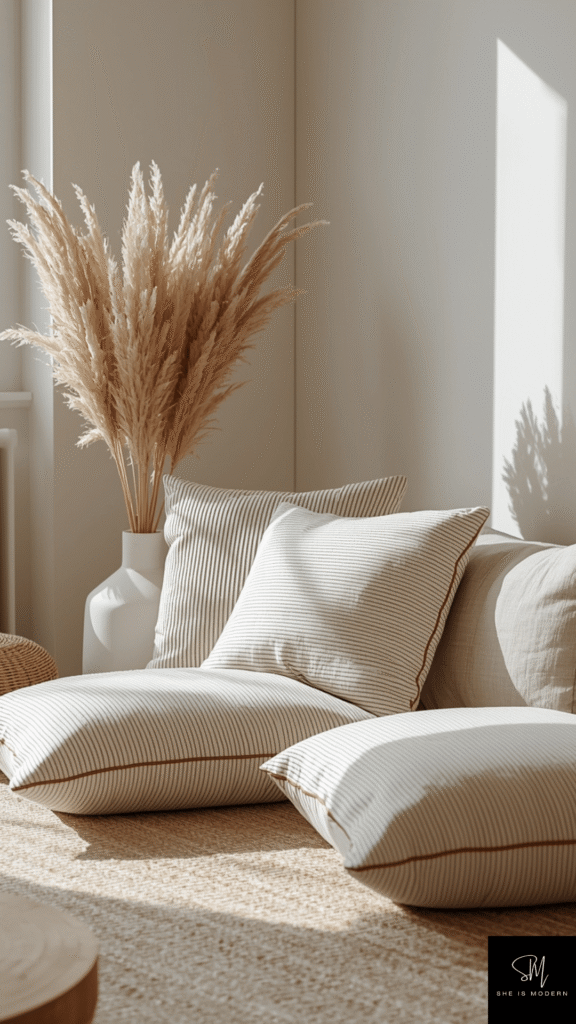
Patterns can add interest to a room, but in transitional design, they should stay soft and simple. Choose subtle patterns like stripes, light florals, or small geometric designs. These patterns add detail without making the space feel busy. Keep colors neutral or muted so everything blends well.
Use patterns in small areas like cushions, rugs, or curtains. This keeps the look balanced and not overwhelming. Avoid mixing too many different patterns in one space. Stick to one or two styles that work well together. This helps maintain a clean and calm design.
Subtle patterns bring life to the room without taking away from its simplicity. They add just enough detail to make the space feel complete. When used correctly, patterns enhance the overall look while keeping everything soft and elegant.
13. Create a Calm and Open Space
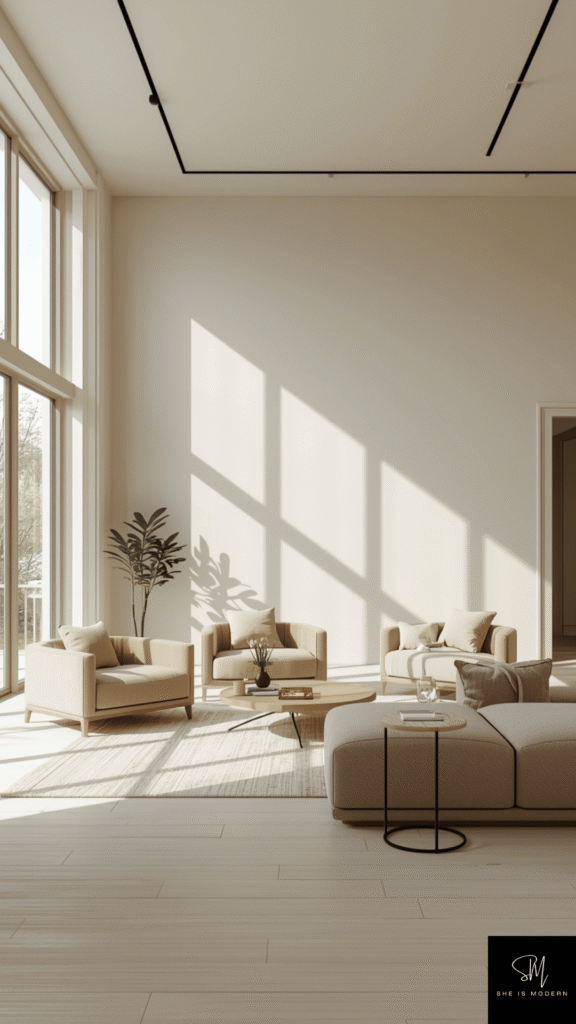
A calm and open space is the final goal of transitional design. Avoid overcrowding your room with too much furniture or decor. Leave enough space between items so the room can breathe. This makes the area feel bigger, brighter, and more relaxing.
Choose furniture that fits the size of your room. Avoid oversized pieces in small spaces. Keep pathways clear so movement feels easy and natural. Light colors and simple layouts help create an open feel. This makes your home more comfortable and inviting.
A well organized space helps reduce stress and improves daily living. It feels peaceful and easy to maintain. Transitional design is not just about looks it’s about how a space feels. When your room is calm and open, it becomes a place where you truly enjoy spending time.